

Phlebotomist Salary in 2026 – Key Takeaways
Phlebotomists are healthcare professionals who draw blood for tests, transfusions, donations, and research. They play an important role in patient care, diagnostics, and specimen handling in hospitals, clinics, blood banks, and laboratories. Their work requires technical skill, attention to detail, communication, physical stamina, and knowledge of medical terminology.
- What Phlebotomists Do:
- Draw blood using techniques such as venipuncture and fingersticks.
- Label, handle, and transport blood samples correctly.
- Maintain patient comfort and safety during procedures.
- Follow infection-control and lab safety protocols.
- Can Phlebotomists Give Injections?
- In most cases, phlebotomists are not authorized to give injections because their training is focused on blood collection rather than medication administration.
- In some settings, they may receive extra training to give certain injections, such as vaccines, under supervision.
- Salary in 2026:
- Average annual salary: about $38,000 to $46,000.
- Median salary: around $42,000.
- Average hourly wage: about $18 to $22, with some specialized roles reaching $25 per hour.
- Entry-level phlebotomists may earn about $33,000 to $38,000 per year, or $15 to $18 per hour.
- What Affects Pay:
- Location: Higher wages are common in states like California, New York, Texas, Florida, Massachusetts, and Illinois.
- Experience: More experienced phlebotomists earn more.
- Certification and specialization: Certified Phlebotomy Technicians (CPTs) and those in blood donation or specialized settings often earn higher pay.
- Education and Certification:
- A high school diploma is usually the minimum requirement.
- Formal phlebotomy training programs often last a few months.
- Certification through organizations such as NHA or ASCP can improve employability and salary potential.
- Job Outlook and Career Growth:
- Job growth is projected at about 10% from 2024 to 2034.
- Advancement opportunities include supervisory roles, medical assisting, medical technology, blood banking, hematology, and mobile blood collection.
- Strong demand, stable employment, and growing healthcare needs make phlebotomy a reliable career path.
Phlebotomy offers a steady healthcare career with accessible training, solid demand, and room for advancement. Salary can improve with experience, certification, and specialized work settings, making it a practical option for those interested in direct patient care and laboratory support.
Introduction to Phlebotomy: Who Are Phlebotomists?
- Definition of Phlebotomist:
- A phlebotomist is a healthcare professional trained to draw blood for tests, transfusions, donations, or research.
- They typically work in hospitals, clinics, blood donation centers, and laboratories, playing an essential role in patient care and diagnostics.
- Key Responsibilities of a Phlebotomist:
- Drawing blood from patients using various techniques (e.g., venipuncture, fingerstick).
- Ensuring patient safety and comfort during the procedure.
- Labeling and handling blood samples properly for analysis.
- Maintaining records of collected specimens and ensuring they are delivered to the appropriate labs for testing.
- Following health and safety guidelines to minimize the risk of infections and ensure sterile environments.
- Phlebotomist Skills:
- Technical Skills: Proficiency in blood collection techniques, including using needles, syringes, and vacutainers.
- Attention to Detail: Accurately labeling specimens and maintaining patient records.
- Communication Skills: Explaining procedures to patients and providing reassurance, especially to those anxious about blood draws.
- Physical Stamina: Phlebotomists often work long shifts, standing for extended periods and handling multiple patients.
- Knowledge of Medical Terminology: Understanding the basics of laboratory tests and medical terms related to phlebotomy.
- Work Environment:
- Phlebotomists work in a variety of settings, including hospitals, outpatient clinics, blood banks, and diagnostic laboratories.
- The work environment is typically fast-paced, especially in hospitals and clinics where they may have to draw blood from a high volume of patients.
Can a Phlebotomist Give Injections?
- Phlebotomists and Injections:
- Typically, phlebotomists are not authorized to give injections, as their training focuses primarily on blood collection and specimen handling.
- However, in certain states or under specific protocols, phlebotomists might be trained to administer vaccines or other medications, especially in blood donation centers or clinics.
- Why Phlebotomists Don’t Usually Give Injections:
- Scope of Training: Phlebotomists’ education and certification generally do not include injection techniques. Their training is specialized in collecting blood samples, not administering medications.
- Regulatory Differences: In most cases, the responsibility for administering injections falls under the purview of nurses, physicians, or physician assistants.
- Patient Safety: Giving injections requires a different set of skills, including knowledge of anatomy, medications, and the appropriate injection sites, which are covered in nursing or medical training programs.
- When Phlebotomists Can Give Injections:
- Some blood donation centers or healthcare settings may offer additional training to phlebotomists to administer certain types of injections, such as vaccines.
- In these cases, phlebotomists work under supervision or as part of a multidisciplinary team with nurses or doctors.
By understanding these distinctions, patients can better understand the role of a phlebotomist in their healthcare experience, especially regarding who is responsible for various procedures like injections.
Phlebotomist Salary in 2026: Understanding the Median
- Phlebotomist Salary Overview:
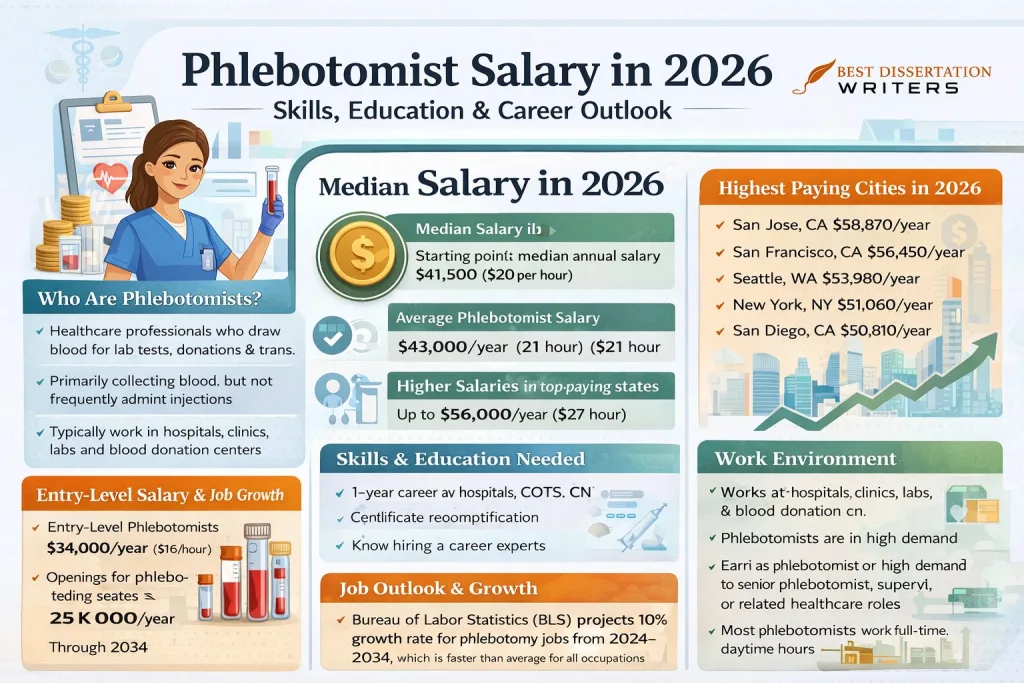
- The average salary for a phlebotomist in the U.S. in 2026 is projected to be around $38,000 to $46,000 annually, based on factors like experience, location, and employer.
- The median annual salary for phlebotomists, which is considered the middle point in the wage distribution, will likely be closer to $42,000 in 2026.
- Factors Affecting Phlebotomist Salary:
- Location: Phlebotomists working in large cities or regions with high demand, such as California or New York, can expect to earn higher salaries compared to those in rural areas.
- Experience: Entry-level phlebotomists typically start with salaries closer to the lower end of the scale, while those with more experience can expect to earn a higher salary.
- Employer: Phlebotomists working in outpatient care centers or specialized medical facilities may earn slightly more than those working in general healthcare settings.
- Comparison to Other Healthcare Jobs:
- The average salary for a phlebotomist is generally lower than that of other healthcare roles like medical technologists or medical assistants. However, it still provides a solid entry point into the healthcare field.
- Phlebotomists earn a higher salary than many positions requiring similar levels of education and training, such as veterinary technicians, and often have more direct patient interaction.
- Bureau of Labor Statistics (BLS) Data:
- According to the Bureau of Labor Statistics (BLS), the median salary for phlebotomists is $38,000 in 2024, with higher earnings possible depending on certification and experience. The BLS also states that job growth in the phlebotomy field is strong, with a projected growth rate of 10% from 2024 to 2034, which is faster than average for all occupations.
How Much Does a Phlebotomist Make in 2026?
- Hourly Wage and Salary:
- On average, phlebotomists can expect to earn around $18 to $22 per hour in 2026, translating to an annual salary of about $37,000 to $45,000 for full-time positions.
- Phlebotomists working in specialized areas, like blood donation centers, may earn slightly more, with some positions offering pay rates closer to $25 per hour for highly experienced professionals or those with certification.
- Specialty Areas and Higher Earnings:
- Certified phlebotomy technicians (CPTs) tend to earn higher salaries than non-certified phlebotomists. Achieving professional certification through organizations like the National Healthcareer Association can lead to pay increases and better job opportunities.
- Phlebotomists with certifications and specializations, such as those who collect blood donations or work with veterinary patients, may earn higher salaries than those working in general medical practices.
- Impact of Education on Phlebotomist Salary:
- The level of education can also play a role in how much phlebotomists earn. While a high school diploma is typically the minimum requirement, those who complete formal phlebotomy training programs and obtain professional certifications are more likely to earn a higher salary.
- Employers may offer salary incentives for phlebotomists with additional certifications or advanced training.
Phlebotomist Career Paths and Job Outlook in 2026
- Career Advancement and Job Opportunities:
- Phlebotomists have various opportunities for career advancement, especially with the right education and training. Experienced phlebotomists may move into supervisory roles or work as certified phlebotomy technicians overseeing other technicians.
- Phlebotomists who work in outpatient care centers or other healthcare settings might be able to transition into roles such as medical assistants or medical technologists, where there are more opportunities for higher salaries and specialized roles.
- The Bureau of Labor Statistics (BLS) states that there will be increased job openings due to the growing demand for healthcare workers, including phlebotomists. The projected job growth for phlebotomists is around 10% from 2024 to 2034, which is faster than the national average.
- Demand for Phlebotomists:
- As the U.S. population ages, the demand for healthcare services, including blood collection and diagnostic tests, will increase. This will likely result in higher salaries and more job openings for phlebotomists in the coming years.
- The demand for phlebotomists is especially high in care centers, outpatient clinics, and hospitals. Phlebotomists are also in high demand in specialized healthcare settings, including veterinary clinics and blood donation organizations.
- Job Stability and Growth Rate:
- Phlebotomists enjoy job stability due to the ongoing demand for blood-related diagnostic tests and treatments. As per the Occupational Outlook Handbook, healthcare roles, including phlebotomy, are projected to see steady growth, offering job security for those entering this field.
- The number of jobs available for phlebotomists is expected to increase in line with the overall growth rate of the healthcare sector, making it a reliable career choice.
Becoming a Phlebotomist: Skills and Education Required
- Educational Requirements:
- To work as a phlebotomist, individuals typically need at least a high school diploma. However, completing a phlebotomy training program or receiving certification through professional bodies like the National Healthcareer Association (NHA) or the American Society for Clinical Pathology (ASCP) significantly boosts employability and salary prospects.
- In some states, a driver’s license or other state-specific qualifications might also be required.
- Phlebotomy Training:
- Phlebotomy training programs generally last a few months and teach students essential skills such as blood drawing techniques, patient care, and lab safety.
- Students will also learn to handle different types of blood collection equipment and techniques, ensuring patient comfort and safety during procedures.
- Certification and Professional Development:
- Earning certification as a Certified Phlebotomy Technician (CPT) is not always required, but it significantly increases earning potential and makes candidates more attractive to employers.
- Certification typically requires passing an exam and demonstrating hands-on competency in blood collection and patient care techniques. Certified phlebotomists are in higher demand and often receive higher salaries.
- Continuing Education and Career Development:
- Phlebotomists interested in advancing their careers may pursue further certifications or education in specialized areas, such as blood banking or hematology.
- Continuing education not only helps maintain certification but also opens doors to new career paths within the healthcare industry, such as becoming a medical technologist or moving into a supervisory role.
By understanding the phlebotomist salary in 2026 and the potential for career growth, individuals can make informed decisions about entering the field. As the demand for phlebotomists continues to rise, those who invest in education and certification will likely find themselves well-positioned for a rewarding and stable career in healthcare.
Need Help With Your Dissertation?
Get professional academic support from Best Dissertation Writers . Our expert team is ready to help you with high-quality dissertation writing services tailored to your academic goals.
Get Dissertation HelpEntry-Level Phlebotomist Salary, Opportunities, and Job Growth
- Average Entry-Level Phlebotomist Salary:
- Entry-level phlebotomists, typically those with less than one year of experience, can expect to earn between $33,000 to $38,000 annually in 2026.
- This translates to an average hourly wage of $15 to $18, depending on the location and employer.
- Job Growth and Opportunities:
- The phlebotomist salary at the entry level is expected to increase with experience, certifications, and specialization. With the right professional development, entry-level workers can quickly advance to higher-paying roles.
- According to the Bureau of Labor Statistics (BLS), phlebotomists are expected to see a 10% job growth from 2024 to 2034, which is faster than the average for all occupations. This increase in job openings reflects the rising demand for phlebotomists across healthcare settings.
- Opportunities for Career Advancement:
- Entry-level phlebotomists can look forward to opportunities for advancement as they gain clinical experience and additional certifications.
- Many phlebotomists progress into supervisory roles or transition into other healthcare fields, such as medical assisting or clinical laboratory technologist, which offer higher salaries.
- Phlebotomists may also gain experience working as self-employed professionals, offering mobile blood collection services or working as independent contractors for blood donor organizations.
- Key Factors Affecting Entry-Level Salary:
- Location: Entry-level phlebotomists in larger cities or areas with higher living costs, such as California, New York, or Texas, may earn slightly higher salaries due to the demand for phlebotomists in those regions.
- Employer: Employers in hospitals or specialized blood donation centers tend to offer higher pay rates compared to those in outpatient care centers or smaller clinics.
Highest Paying Cities for Phlebotomists in 2026
- Top Paying States for Phlebotomists:
- California: The average salary for a phlebotomist in California is one of the highest in the U.S., ranging from $45,000 to $55,000 annually. This is due to the state’s large population and the high demand for healthcare services.
- New York: Phlebotomists in New York can earn between $42,000 to $52,000 annually. Cities like New York City offer higher wages due to the cost of living and the demand for healthcare workers.
- Texas: Texas is another state with competitive pay, where phlebotomists can earn $40,000 to $50,000 annually, particularly in urban centers like Houston and Dallas.
- Florida: In cities like Miami and Orlando, phlebotomists can earn an average salary of $40,000, with higher rates seen in specialized care centers.
- Other High-Paying Locations:
- Massachusetts: Known for its healthcare industry, phlebotomists in Massachusetts can earn up to $48,000 annually, with the highest wages typically found in cities like Boston.
- Illinois: The Chicago metropolitan area offers competitive wages for phlebotomists, with salaries ranging from $42,000 to $50,000 annually.
- Factors Affecting Salary in High-Paying Cities:
- Cost of Living: Cities with higher living costs tend to offer higher salaries to phlebotomists to offset the expense of living there.
- Specialization: Phlebotomists who work in specialized healthcare facilities or in roles that require advanced certifications tend to earn more.
- Demand for Services: Phlebotomists are in high demand in certain regions due to the size of healthcare systems, the need for blood donations, and population demographics.
Phlebotomist Work Environment: What to Know
- Typical Workplaces for Phlebotomists:
- Phlebotomists typically work in settings such as hospitals, outpatient care centers, blood banks, private clinics, and laboratories.
- Some phlebotomists also work in mobile blood collection units or as self-employed contractors, offering their services to blood donation centers or in veterinary clinics for animal blood collections.
- Daily Tasks and Responsibilities:
- Collecting Blood Samples: Drawing blood from patients using venipuncture or fingerstick methods is the primary duty. Phlebotomists also monitor vital signs before and after procedures.
- Handling Blood Samples: Ensuring that blood samples are correctly labeled and transported to laboratories for analysis is essential.
- Maintaining Patient Comfort: Phlebotomists interact with patients regularly, explaining procedures and helping to reduce patient anxiety.
- Workplace Settings and Conditions:
- Hospitals and Outpatient Care Centers: Phlebotomists in hospitals work under high pressure, drawing blood from a large number of patients, often with complex medical conditions. Work environments in outpatient care centers may be less stressful but can still involve a high volume of patients.
- Blood Donation Centers: Phlebotomists in these settings focus on blood donor collection, which may include additional duties like performing basic health checks or providing education about donation processes.
- Healthcare Team Collaboration: Phlebotomists often work closely with other healthcare professionals such as medical assistants, technologists, and nurses to ensure patient care and specimen handling are properly coordinated.
- Work Schedule:
- Phlebotomists in hospitals may work shifts, including nights, weekends, and holidays, due to the 24/7 nature of healthcare. Those in outpatient clinics or blood donation centers often have more predictable schedules during regular business hours.
Conclusion: The Future of Phlebotomy Careers and Salaries
- Career Outlook:
- As phlebotomists continue to be in high demand due to an aging population and increased healthcare needs, the phlebotomist salary is expected to see steady growth over the next decade.
- The projected growth rate for phlebotomist jobs is 10% from 2024 to 2034, which is faster than the average for all occupations. This growth will contribute to a rise in both job openings and salary opportunities across the industry.
- Long-Term Job Opportunities:
- As healthcare systems expand, phlebotomists will continue to play an essential role in diagnostics, patient care, and blood collection, ensuring a strong demand for skilled professionals.
- Many phlebotomists will find opportunities for advancement into supervisory or training positions, or they may pursue higher education and certifications to transition into roles with higher salaries.
- Salary Expectations for the Future:
- With continuous training and certification, phlebotomists can expect to earn a higher salary as they gain experience and take on more specialized duties.
- Phlebotomists who specialize in areas like blood banking, veterinary care, or mobile blood collection will see higher salaries than those in general healthcare settings.
Phlebotomists have a promising career ahead, with good pay prospects, excellent growth opportunities, and a dynamic work environment. Whether starting with an entry-level salary or advancing through specialized roles, a career as a phlebotomist offers long-term job security and personal fulfillment.
References
- Phlebotomists: Occupational Outlook Handbook – U.S. Bureau of Labor Statistics – https://www.bls.gov/ooh/healthcare/phlebotomists.htm
- Phlebotomy Career – U.S. Department of Labor – https://www.careeronestop.org/Toolkit/Skills/phlebotomist.aspx
- Phlebotomist Salary Information – U.S. Department of Labor – https://www.salary.com/research/salary/benchmark/phlebotomist-salary
- Phlebotomist Jobs and Salary Information – U.S. Department of Labor – https://www.jobsearcher.com/phlebotomist-jobs/