
Climate Change and Public Health: Implications for Nursing Practice: A Narrative Review
 By Dr. Robertson Prime, Research Fellow
Updated October 28, 2026
14 min read
About 2,800 words
In this review
Abstract
Background: Climate change is one of the greatest threats to public health, increasing the risks of heat illness, malnutrition, infectious disease, displacement and mental distress. Nurses work in the communities and services that feel these effects first, yet the nursing contribution to preparing for and responding to it is often overlooked.
Aim: This narrative review aimed to examine recent evidence on the health effects of a warming climate, the mental health impact, the environmental footprint of health care and the roles of nurses.
Methods: Evidence was identified through targeted searches of openly accessible bibliographic records, publisher websites and the reference lists of key reviews. Five sources published between 2018 and 2025 were included: two World Health Organization publications, a narrative review of mental health, a global assessment of the footprint of health care and a scoping review of eco-nursing competencies. Findings were synthesised narratively.
Findings: A changing climate is expected to cause about 250,000 additional deaths each year between 2030 and 2050, and the Lancet Countdown reported an average of 546,000 heat-related deaths a year and a 23% rise in heat-related mortality since the 1990s. It affects mental health directly and indirectly, with the greatest burden on marginalised people. Health care accounts for roughly 1% to 5% of global environmental impacts. A scoping review of 31 papers found that nurses’ climate roles span research, education, advocacy, leadership and clinical practice.
Conclusion: This is a public health emergency in which nurses have a clear role. Nurses should build climate and health knowledge, protect vulnerable people, reduce the footprint of care and advocate for action.
Keywords: climate change, planetary health, planetary health nursing
Introduction
This narrative review critically examines recent evidence on climate change and its implications for public health nursing practice.
Climate change is altering the conditions on which human health depends. Rising temperatures, more frequent heatwaves, floods, droughts and wildfires, changing patterns of infectious disease and pressure on food and water supplies all affect health. The World Health Organization (WHO) reports that 3.6 billion people already live in areas that are highly susceptible to a changing climate, and that it is expected to cause about 250,000 additional deaths each year between 2030 and 2050 from undernutrition, malaria, diarrhoea and heat stress alone.
The effects are not shared equally. Older people, young children, people with long-term conditions, people on low incomes and those living in unsafe housing or in places exposed to extreme weather are more vulnerable. Health services are also affected, both because they must cope with rising demand and disrupted supplies, and because they contribute to the emissions that drive climate change.
Nurses make up the largest part of the health workforce in most countries and work in homes, schools, clinics and hospitals. A narrative review design was chosen because the topic spans many disciplines and types of evidence, from global monitoring reports to nursing scoping reviews.
Review question
What does recent evidence show about the health effects of a changing climate, its effects on mental health, the environmental footprint of health care and the roles that nurses can play?
Background to Climate Change and Public Health
Climate change affects health through several pathways. Direct effects include heat stress, injuries and deaths from storms and floods and the health consequences of wildfires. Indirect effects work through changes in ecosystems and economies, such as shifts in the range of disease-carrying insects, reduced crop yields and loss of income. Social effects include displacement and conflict, and these can in turn strain mental health and access to care.
Public health nursing has a long tradition of working with communities to prevent harm. During a heatwave, a community nurse may check on isolated older people, a school nurse may advise on keeping children safe in hot weather, and a practice nurse may review medicines that increase the risk of heat illness. These are everyday examples of adaptation, which means preparing for the effects of climate change that can no longer be avoided. Such work depends on knowing local people well and on being trusted by them.
Mitigation, which means reducing emissions and so limiting future change, is also relevant to health care. Health services consume large amounts of energy, produce waste and rely on supply chains that generate emissions. Nurses make daily decisions about equipment, medicines and the way care is delivered, and so have opportunities to reduce the environmental impact of services without reducing their quality.
The term planetary health describes the interdependence of human health and the natural systems on which it depends, and it has been used to bring together work on climate, biodiversity and health. In nursing, planetary health nursing means recognising that protecting the environment is part of protecting health, and including this in education, practice and leadership.
Heat deserves particular attention because it is one of the most direct and preventable routes to harm. Older people may not feel thirsty or may not notice that their homes are too hot, some medicines affect the body’s ability to regulate temperature, and people who live alone may go unnoticed. Simple measures such as checking on neighbours, keeping homes cool and drinking enough can reduce risk, and nurses are well placed to share this advice with the people who need it.
Search Strategy and Methods
Evidence for this example was identified through targeted searches of openly accessible bibliographic records, publisher websites and the reference lists of key reviews. Search terms combined keywords for the topic (“climate change”, “global warming”, “heat”, “planetary health”, “sustainability”) with terms for health and nursing (“public health”, “mental health”, “health care”, “nurses”, “nursing competencies”), joined with the Boolean operators AND and OR. A full narrative review for assessment would run the same strategy in CINAHL, PubMed/MEDLINE, the Cochrane Library and Web of Science and report the number of records screened in a PRISMA flow diagram.
Sources were eligible if they described the health effects of climate change, the mental health consequences, the environmental footprint of health care or the roles and competencies of nurses. Authoritative reports, reviews and scoping reviews were prioritised. Studies focused on a single local event or on technical aspects of climate science were excluded.
Five sources published between 2018 and 2025 were included: two WHO publications, a narrative review of mental health, a global assessment of the environmental footprint of health care and a scoping review of nursing competencies (Table 1). The relevance and quality of each source was considered critically, and findings were synthesised narratively.
Key Findings on Climate Change and Health
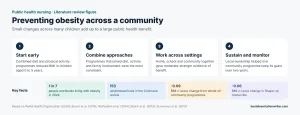
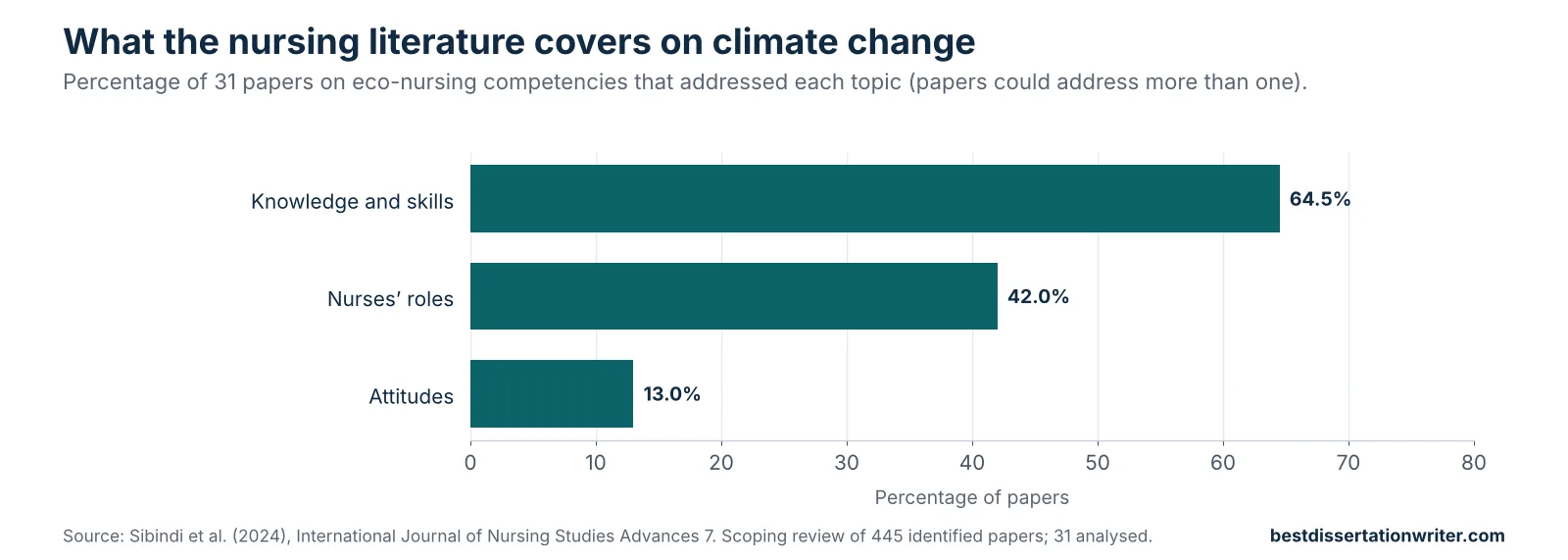
Three themes were identified: the physical health effects of a warming climate, its effects on mental health, and the footprint of health care and the role of nurses. Table 1 summarises the included sources, and Figure 1 shows the topics addressed in the nursing literature on the subject.
| Author, year | Design | Setting and sample | Key finding |
|---|---|---|---|
| Hayes et al. (2018) | Narrative review | Risks and impacts of climate change on mental health | Direct, indirect and overarching effects; greatest burden on marginalised people. |
| Lenzen et al. (2020) | Global supply-chain assessment | Health care sector worldwide | Health care accounts for roughly 1–5% of global environmental impacts. |
| World Health Organization (2023) | Fact sheet | Global projections | About 250,000 additional deaths per year (2030–2050); 3.6 billion people in susceptible areas. |
| Sibindi et al. (2024) | Scoping review | 31 papers on eco-nursing competencies | Nurses’ roles span research, education, advocacy, leadership and clinical practice. |
| World Health Organization (2025) | News release on the Lancet Countdown report | Global monitoring data | About 546,000 heat-related deaths a year; heat-related mortality rate up 23% since the 1990s. |
Theme 1: The Health Effects of Climate Change
The WHO fact sheet (2023) summarises the main effects. It is expected to cause about 250,000 additional deaths each year between 2030 and 2050 from undernutrition, malaria, diarrhoea and heat stress, and direct damage costs to health are estimated at US$2 to 4 billion per year by 2030. The fact sheet attributes 37% of heat-related deaths to human-induced climate change and reports that heat-related deaths among people over 65 rose by 70% in two decades.
The 2025 report of the Lancet Countdown, summarised by WHO (2025), described a continuing rise in harm. Heat-related deaths averaged about 546,000 a year, and the heat-related mortality rate had risen by 23% since the 1990s. In 2024 the average person experienced 16 days of dangerous heat that would not have been expected without climate change, and infants and older adults faced more than 20 heatwave days per person, a fourfold increase over 20 years. Droughts and heatwaves were linked to an additional 124 million people facing moderate or severe food insecurity in 2023.
The report also noted benefits from action. Reduced use of coal avoided an estimated 160,000 premature deaths a year from 2010 to 2022 through cleaner air, and health-related emissions fell by 16% between 2021 and 2022. These figures show that climate action can improve health as well as limit future harm, although the report’s estimates depend on modelling and are not the result of controlled trials.
Theme 2: Climate Change and Mental Health
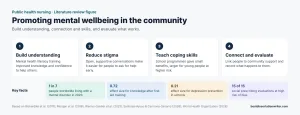
Hayes et al. (2018) reviewed the risks that a warming climate poses to mental health. They argued that it is difficult to link specific climate risks to particular mental health outcomes and that more empirical research is needed. Even so, they concluded that climate change is already accelerating its effects on mental health, and described these effects as direct, indirect and overarching.
The authors reported that the effects fall most heavily on the most marginalised people and that responses need to be coordinated, holistic and grounded in active hope. For nurses, this suggests being alert to distress among people affected by extreme weather and displacement, and to the possibility that worry about the climate affects some people who feel powerless. Responding includes listening, helping people to find practical support and linking them to mental health services where needed.
Theme 3: The Footprint of Health Care and the Role of Nurses
Lenzen et al. (2020) used a global supply-chain analysis to assess the environmental footprint of health care. They found that health care accounts for roughly 1% to 5% of total global environmental impacts, depending on the indicator, and that for some countries its share is above 5%. The authors observed that simply expanding health care to treat the harm caused by environmental damage has a built-in problem, because the supply chains that support a larger health sector also increase its footprint.
Sibindi et al. (2024) carried out a scoping review of eco-nursing competencies, which they defined as the knowledge, attitudes and skills that help nurses to reduce and adapt to the health effects of a warming climate. Of 445 papers identified, 31 were analysed. Of these, 42% addressed nurses’ roles, 64.5% addressed knowledge and skills and 13% addressed attitudes. The roles described covered research, education, advocacy, leadership and clinical practice, and the related competencies were embedded in existing core competencies for general nurses, specialist nurses and nurse managers.
Discussion
This narrative review shows that climate change is already harming health and that the burden is expected to grow. Heat is the clearest example, with rising deaths, particularly among older people. The mental health effects are harder to measure but are real, and health care is itself a contributor to the problem. The nursing literature suggests that nurses have roles in research, education, advocacy, leadership and clinical practice, and that the competencies they need can be built on existing ones. These findings are consistent across the sources, even though they use different methods and cover different parts of the problem.
Adaptation is a practical place to start. Nurses can identify people most at risk in a heatwave, advise on keeping cool and drinking enough, review medicines and plan how to reach isolated people. Because these tasks resemble those already carried out in public health nursing, they can be built into routine practice. Resources and clear local plans help, and nurses can contribute their knowledge of who is vulnerable and how to reach them.
Equity runs through all of the evidence. People who are poor, older, unwell, isolated or displaced bear the most risk and have the fewest resources to cope. Climate change can also add to the pressures on communities already affected by migration and conflict, a point developed in the review of refugees and migrants. Nursing attention to the social determinants of health is therefore as relevant to climate change as to other public health problems.
Infectious disease is another link. Changes in temperature, rainfall and population movement can alter the patterns of some infections, and extreme events can disrupt services, as discussed in work on vaccination uptake and on communicable disease outbreak management. Preparing for these pressures requires strong surveillance, resilient services and well-trained staff.
Education and workforce development are central. The Lancet Countdown report noted that two thirds of medical students received education on climate and health in 2024, which suggests that teaching is expanding. Nurses’ education needs to keep pace, so that every nurse, not only specialists, can discuss heat, air pollution and extreme weather with patients and can recognise how a changing environment affects the conditions they treat. Eco-nursing competencies could be built into existing curricula rather than added as a separate subject.
Reducing the footprint of care is also a nursing responsibility. Because health care accounts for a measurable share of environmental impacts, small changes in everyday practice, such as avoiding unnecessary supplies, turning off equipment, choosing reusable items where safe and avoiding wasteful prescribing, can add up when repeated across large services. Nurses must, however, protect safety and quality, and decisions about equipment should follow infection prevention guidance. Leadership from managers and clear local policies make it easier for staff to act.
Several limitations apply. This review drew on a small number of sources, mostly reports and reviews, rather than primary studies, and several of the figures are modelled estimates. The nursing evidence consisted mainly of a scoping review that mapped competencies, not studies of whether nursing interventions improve outcomes. This review relied on openly accessible, English-language sources and did not involve formal systematic screening. Future research should evaluate nurse-led adaptation and mitigation work and measure its effect on health.
Implications of Climate Change Evidence for Practice
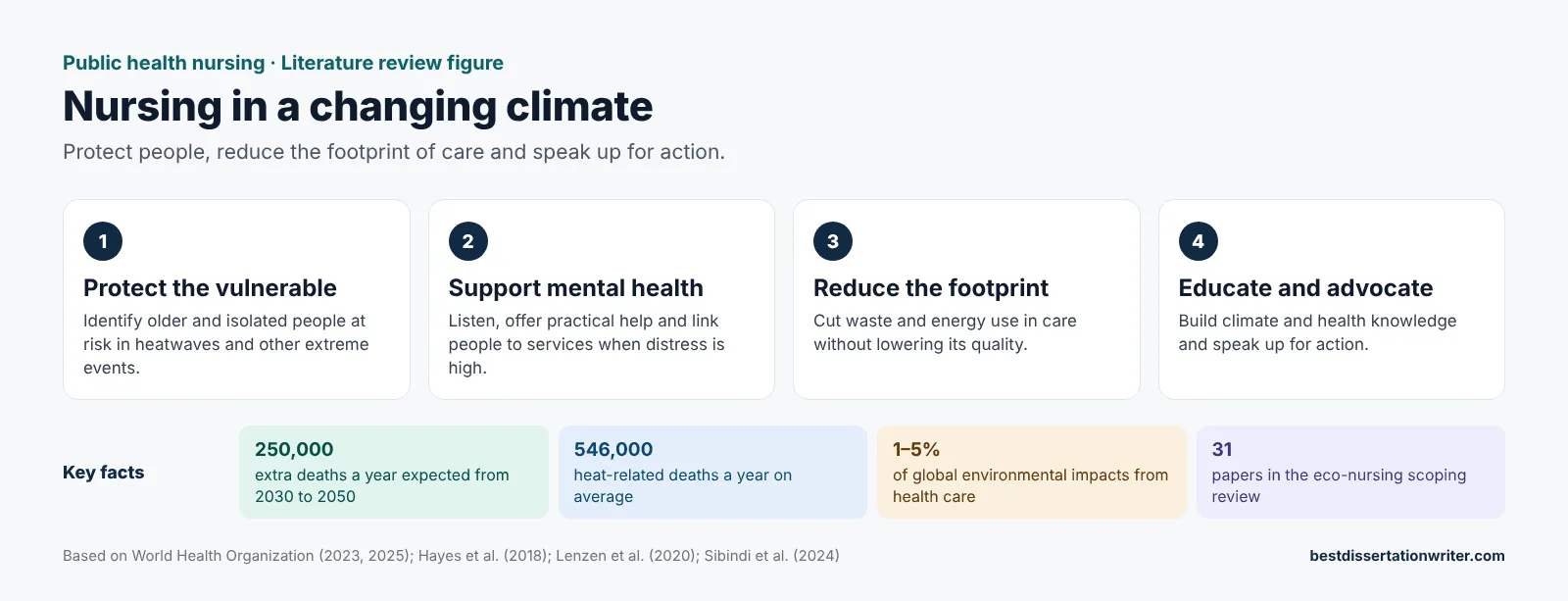
For nurses, the evidence supports building knowledge of climate and health, identifying and protecting people who are vulnerable to heat and other hazards, recognising and responding to distress, reducing waste and energy use in care, and taking part in advocacy and education. Guidance on the health effects of a warming climate is available from the WHO fact sheet on climate and health.
Nurses working in the community can begin with practical steps. They can ask patients about their homes and ability to keep cool, share heat and flood warnings, include vulnerable people in local emergency plans and record the effects of extreme weather on their caseload. These actions link directly to the public health nursing tradition of knowing a community and acting early to prevent harm.
Managers and educators should include climate and health in nursing curricula and continuing education, support teams to reduce the environmental impact of care, include heat and flood plans in service continuity arrangements and involve nurses in decisions about sustainable procurement and models of care. Staff should also be supported to take part in this work, with time, recognition and a culture in which ideas for improvement are welcomed.
Conclusion
This narrative review examined evidence on the health effects of climate change and the role of nurses. Climate change is increasing deaths and illness, especially from heat, it affects mental health and it falls hardest on people who are already disadvantaged. Health care contributes to the problem and must change, and nurses can help.
Nurses are numerous, trusted and present in every community. By protecting vulnerable people, reducing the footprint of care and speaking up for action, they can make a real contribution to planetary health and to a future in which health is protected rather than threatened by a changing climate.
References
Hayes, K., Blashki, G., Wiseman, J., Burke, S., & Reifels, L. (2018). Climate change and mental health: Risks, impacts and priority actions. International Journal of Mental Health Systems, 12, Article 28. https://doi.org/10.1186/s13033-018-0210-6
Lenzen, M., Malik, A., Li, M., Fry, J., Weisz, H., Pichler, P.-P., Chaves, L. S. M., Capon, A., & Pencheon, D. (2020). The environmental footprint of health care: A global assessment. The Lancet Planetary Health, 4(7), e271–e279. https://doi.org/10.1016/S2542-5196(20)30121-2
Sibindi, T., Chipps, J.-A., & Crowley, T. (2024). Eco-nursing competencies for nurses: A scoping review. International Journal of Nursing Studies Advances, 7, Article 100221. https://doi.org/10.1016/j.ijnsa.2024.100221
World Health Organization. (2023, October 12). Climate change and health [Fact sheet]. https://www.who.int/news-room/fact-sheets/detail/climate-change-and-health
World Health Organization. (2025, October 29). Climate inaction is claiming millions of lives every year, warns new Lancet Countdown report [News release]. https://www.who.int/news/item/29-10-2025-climate-inaction-is-claiming-millions-of-lives-every-year–warns-new-lancet-countdown-report
Cite this example
Best Dissertation Writers (2026) Climate Change and Public Health: Implications for Nursing Practice: A Narrative Review. Available at: https://bestdissertationwriter.com/climate-change-literature-review/
Best Dissertation Writers
Get expert help with your nursing literature review
Share your topic and deadline with Best Dissertation Writers and get support tailored to your module brief.